Stop Buying AI tools. Start Building Capability

Jodie | 28 Jun 2026 | News | AI

“Organisations need to tackle AI in terms of mindset, skillset, and toolkit. In that order. You should explore the first two before rolling out the tools”

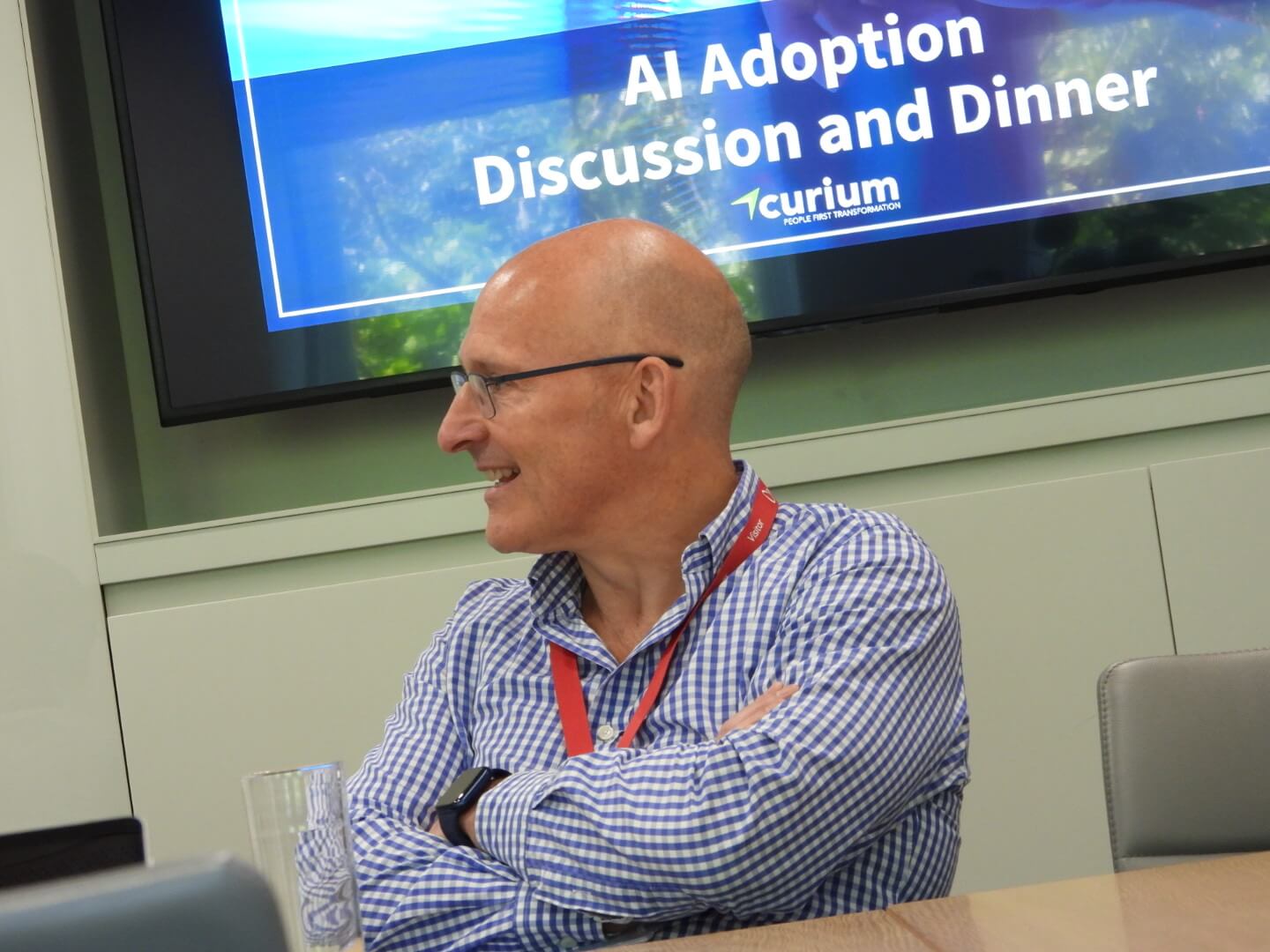
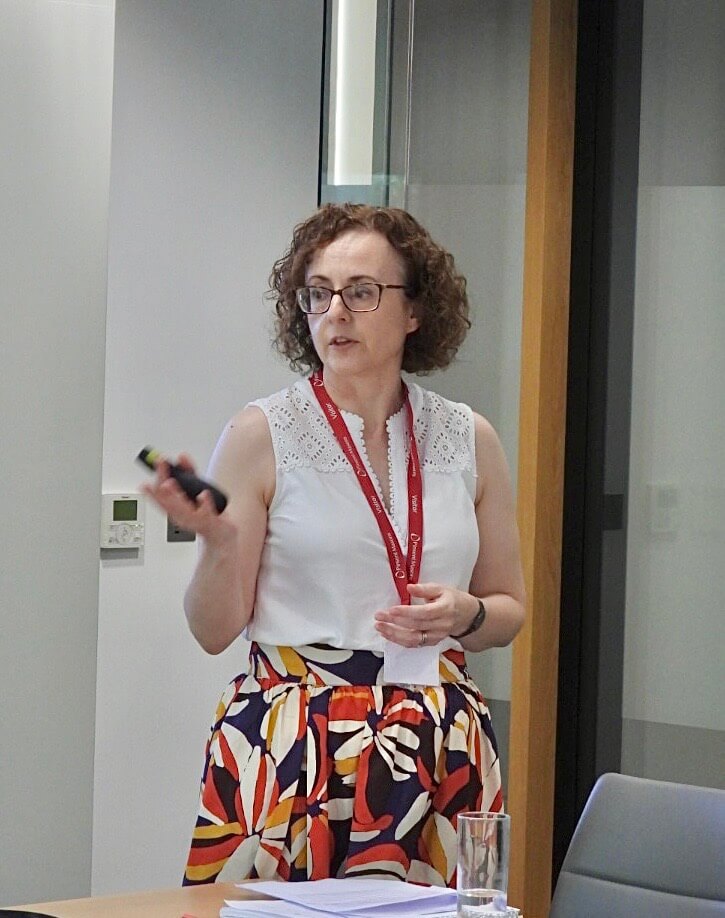
This quote came from one of our participants in our recent research into how organisations re adopting AI. And it sums up one of our key finding – having the right culture to support AI will be the competitive advantage of the future.

AI is disrupting organisations like no other technology. Its’ intelligence and capability is doubling every 3 months. A recent Anthropic analysis revealed that 97% of management tasks could be done in half the time with generative AI. And the global McKinsey & Company survey reports that 88% are using AI in at least one business function.

That said our research showed that many organisations were struggling to get beyond the pilot stage with the core blocker being culture and mindset of the organisation.

Why culture…again?

The link between organisational culture as  a driver of high performance has been known and proven for decades.   But we see many organisations cite this as the reason why they can’t transform. In this AI age, it is really is not just a ‘nice’ to have – it will be how you unlock the possibilities that generative and agentic AI offers.

At Curium we define organisational culture through 4 lens:-

  1. Mindset – beliefs, value and attitudes which inform how people think and feel
  2. Behaviour – the language people use, the decisions and actions that people take
  3. Mechanisms – the policies, routines, goals and rewards that shape expected behaviours
  4. Interpretation – unwritten rules, team dynamics, stories, myths and informal power structures
We all will be impacted by AI

Mindset: Our research highlighted significant fear from employees around job loss and skill irrelevance along with scepticism about the capability of the technology itself. Creating trust in the technology and being transparent about how AI could impact on roles will form the bedrock of scaling.

Behaviours: Generative AI is not rules based. It a technology is search of a use case and therefore any adoption will need experimentation as to how to use it, directly involving the people actually doing the work. Teams will need to effectively collaborate to create business benefits from the technology.  Building psychological safety to allow employees and teams ‘fail quickly’ becomes essential. Encouraging innovative thinking and curiosity to explore the technology while taking a critical eye over as to the quality of outcomes will also be key.

Mechanisms: Our research respondents reported widespread use of generative AI to summarise meetings, create insights and reports, unlocking capacity. But with this came real concern as to how to preserve diversity of thought. In effect, business outputs become decoupled from actual human thought, experience and actions meaning that traditional methods of performance measurement break down.

Agentic AI is especially disruptive as it has the capability to analyse, create insight and act autonomously without human intervention.  This changes how organisations are structured and are research participants are grabbling as to what human qualities and capabilities should be preserved and which should be outsourced to AI

Interpretations: The black box nature of generative AI raised many questions for our participants, especially how to preserve human judgement and ethical practices. How best to structure decision making – what the right mix of autonomous AI decisions versus where humans need the final way. More power devolved to teams to use AI was seen as a positive but needed to be with clear policy guidelines as to when to use AI and when not to use it.

Organisations that build human-centric cultures which recognises how best to blend human value-adding – judgement, innovation and relationship building – with AI’s processing capability will be those who succeed. A strong organisational culture aligned to your goals is no longer an optional extra.

If this resonates with you, you’ll definitely want to read more in our official AI report out now.

Back to Content
Recent Content
The Only Thing Certain Is Uncertainty
What Happens When People Come First?
Why Leaders Must Rethink Change, AI and Trust
Curium Welcomes Two New Transformation Team Members
Categories
AI
Transformation
People
Performance
General News
Curium
Coaching
Change
Related Content
Transformation
The Only Thing Certain Is Uncertainty
12 June 2026
emma taylor James yapp curium
Performance
What Happens When People Come First?
12 June 2026